Tire manufacturer · Four programs
Engineered for the contact patch
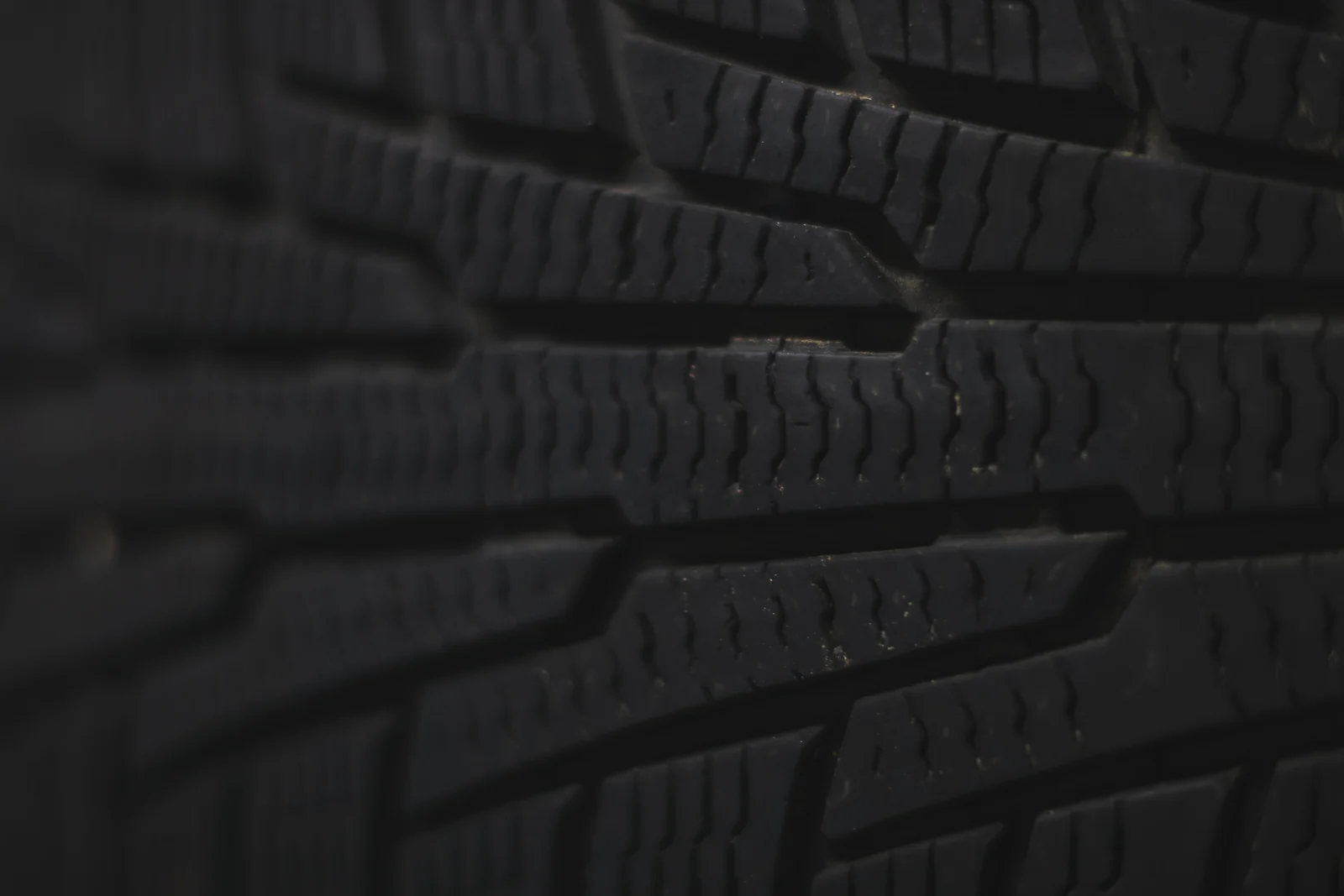
Global Rubber Industries makes tires for passenger cars, light trucks and SUVs, commercial trucks, and off-highway and industrial equipment. Every program starts where the tire meets the ground.
01 / The contact patch
Everything a vehicle does reaches the road through four patches of rubber.
Each patch is roughly the size of an adult's hand. Acceleration, braking, steering, and the full weight of the vehicle and its load all pass through them. That is what we design around: the compound that grips, the tread that clears water, and the structure that holds the patch in shape.
Recommended pressure: the load spreads across the full width of the tread and the patch keeps the shape the tire was designed around.
Illustration of the general behavior, not measured data. Inflate to the pressure on your vehicle's tire information label.
02 / Four programs
Four programs, matched to the work the tire does.
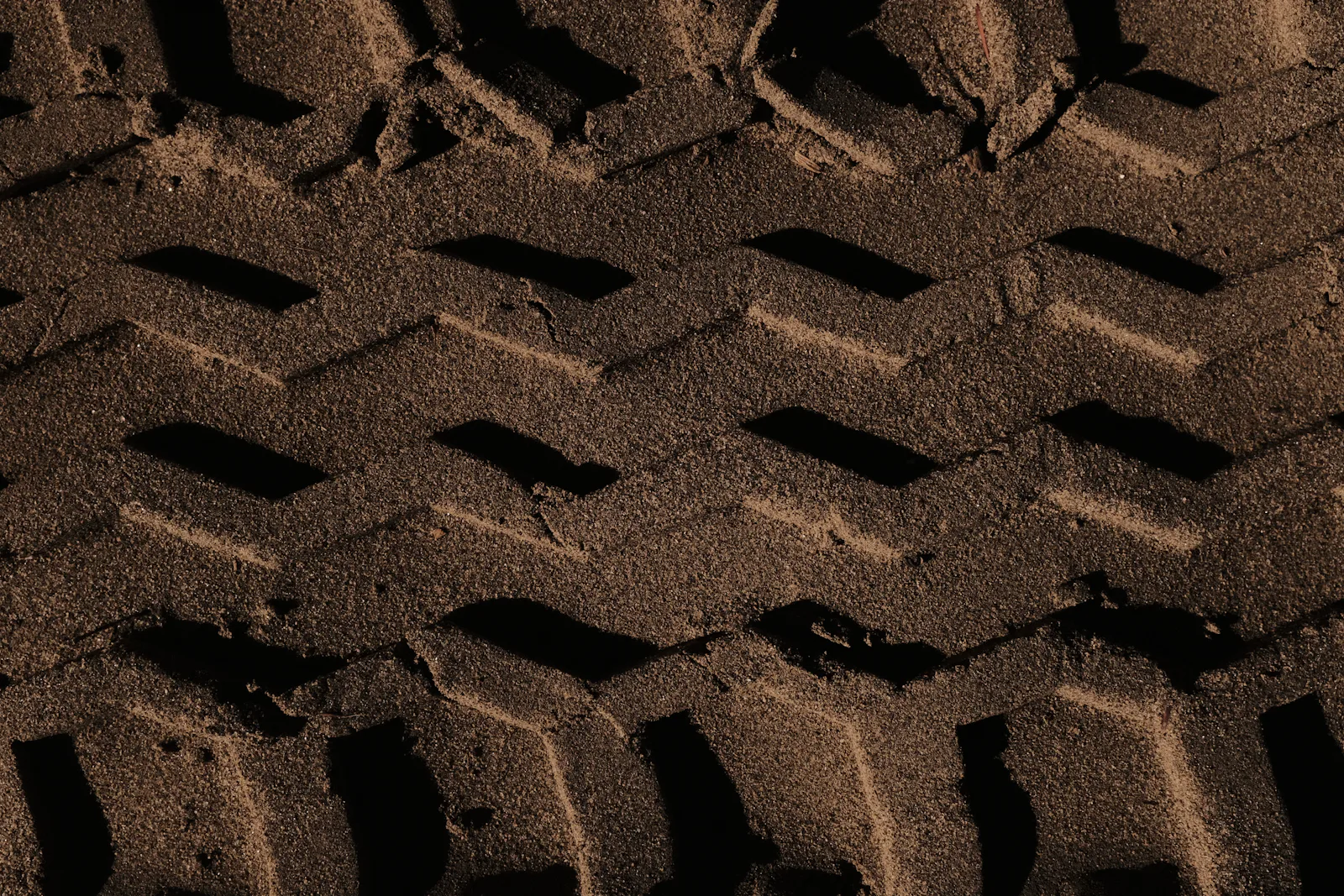
Each program covers a family of tires for one kind of vehicle and duty. We start at the category level with you, then specify sizes, load and speed ratings, and tread type for your market.
Passenger and touring
Radial tires for sedans, minivans, and crossovers, in symmetric, asymmetric, and directional tread designs.
- Daily driving
- Highway touring
- All-season
Light truck and SUV
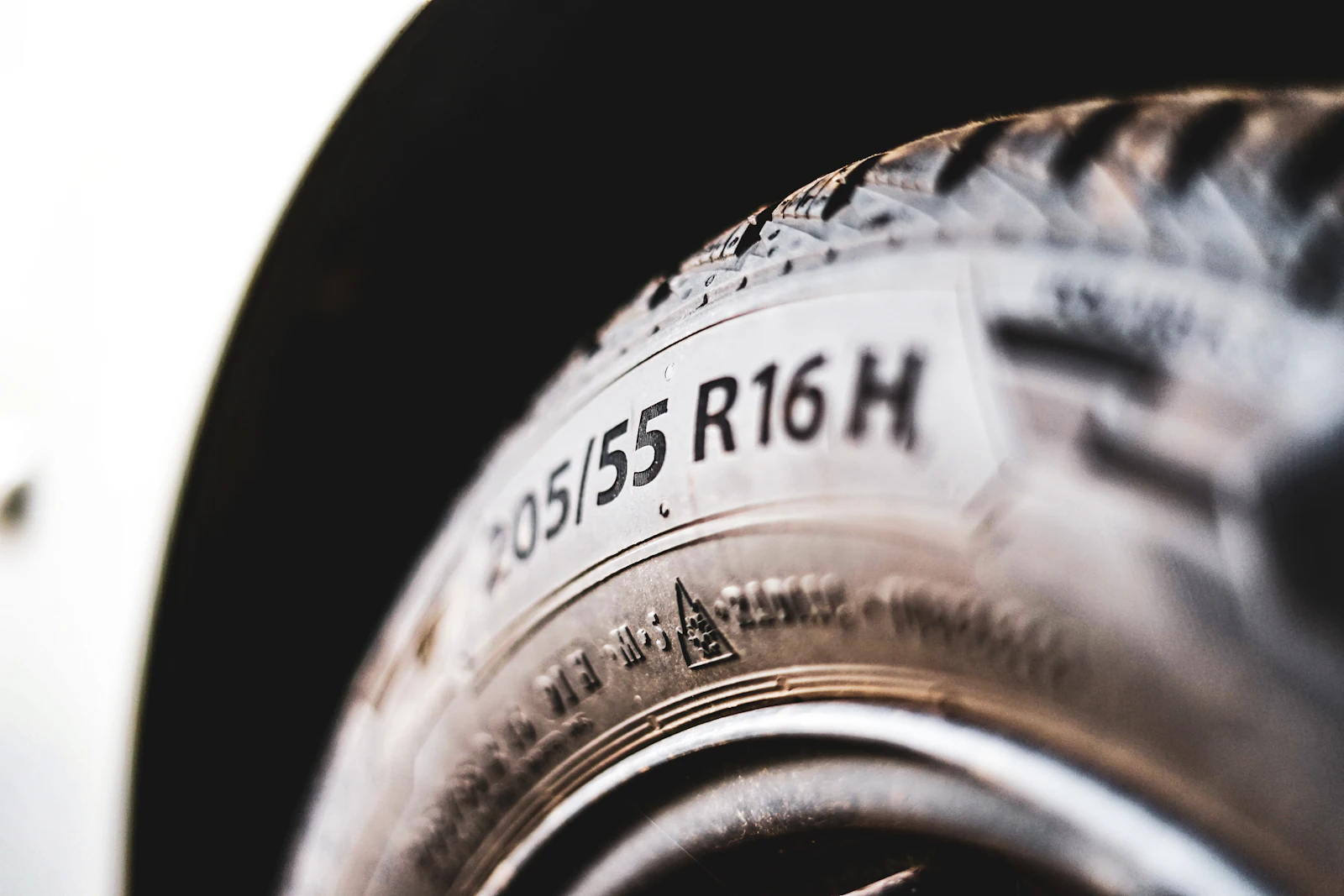
LT-metric and flotation sizes for pickups, vans, and SUVs that carry weight, tow, or leave the pavement, in highway, all-terrain, and mud-terrain treads.
- Towing
- Payload
- Unpaved roads

Commercial truck
Tires for steer, drive, and trailer positions on regional and long-haul trucks, sized for heavy loads and dual mounting.
- Steer
- Drive
- Trailer

Off-highway and industrial
Agricultural, construction, and material-handling tires in the tread types those machines call for, from bar lugs to rock treads.
- Agriculture
- Construction
- Industrial

03 / Construction
Seven layers between the road and the air inside.
A radial tire is built up in layers, and each one has a job. Scroll to take one apart.
Showing Assembled
04 / How a tire is built
From latex and steel to a cured tire in five steps.
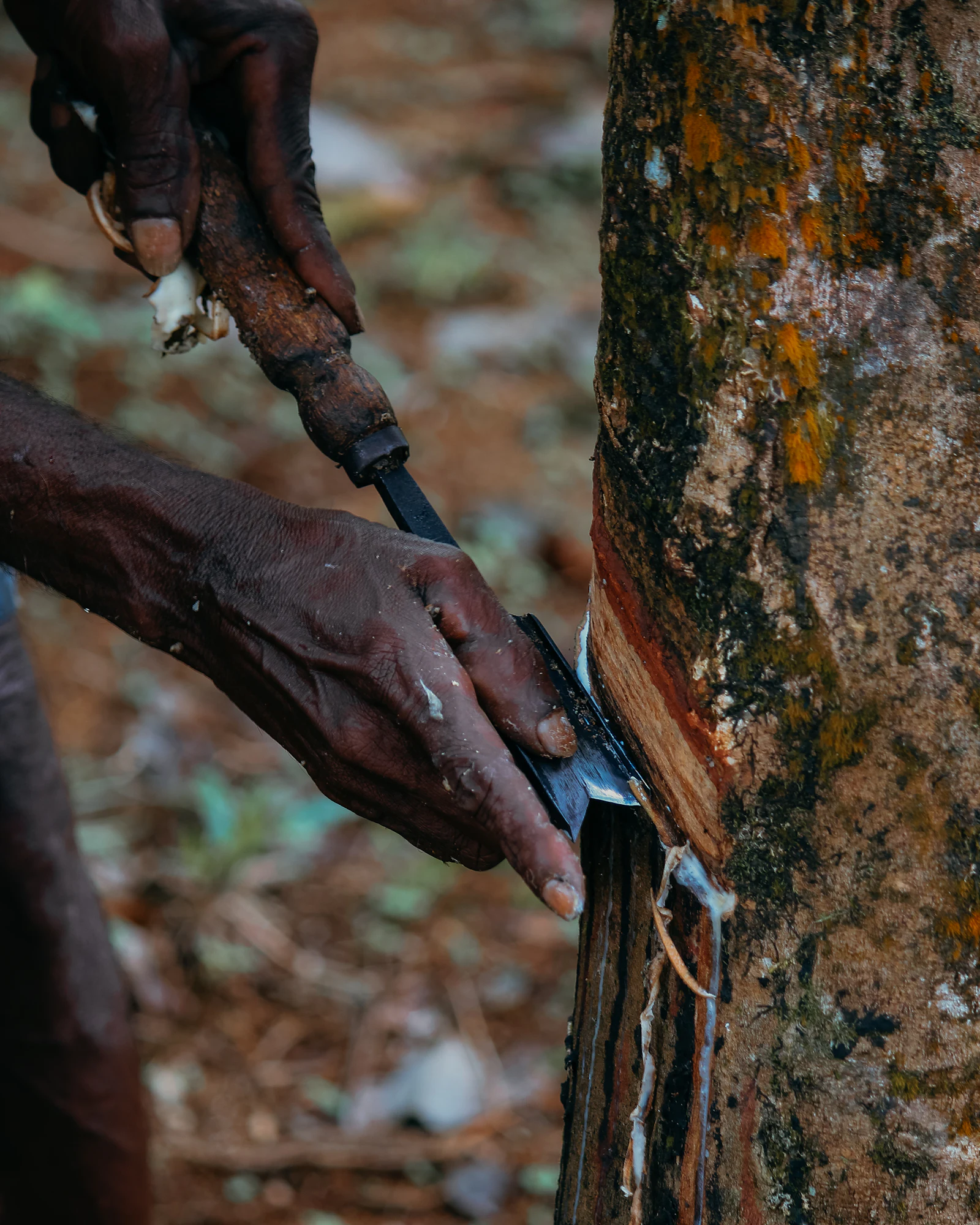
Natural rubber starts as latex tapped from the bark of the Hevea tree. In the factory it joins synthetic rubber, carbon black, silica, oils, and a cure system, then steel and textile cord.
-
01
Mixing
Rubber, fillers, oils, and chemicals are blended in internal mixers. The curatives go in last, at a lower temperature.
-
02
Components
Extruders shape tread and sidewall profiles. Calenders coat steel and textile cord with rubber.
-
03
Building
The parts are assembled on a building drum into an uncured "green" tire.
-
04
Curing
Heat and pressure in a mold vulcanize the rubber and form the tread and sidewall markings.
-
05
Inspection
Finished tires are inspected, most passenger tires are checked for uniformity, and samples go to X-ray and lab tests.
05 / Who we work with
For the businesses that put tires on vehicles.
We sell to businesses: the distributors and dealers who stock tires, the fleets that run them, and the brands that put their name on them.
Distributors and dealers
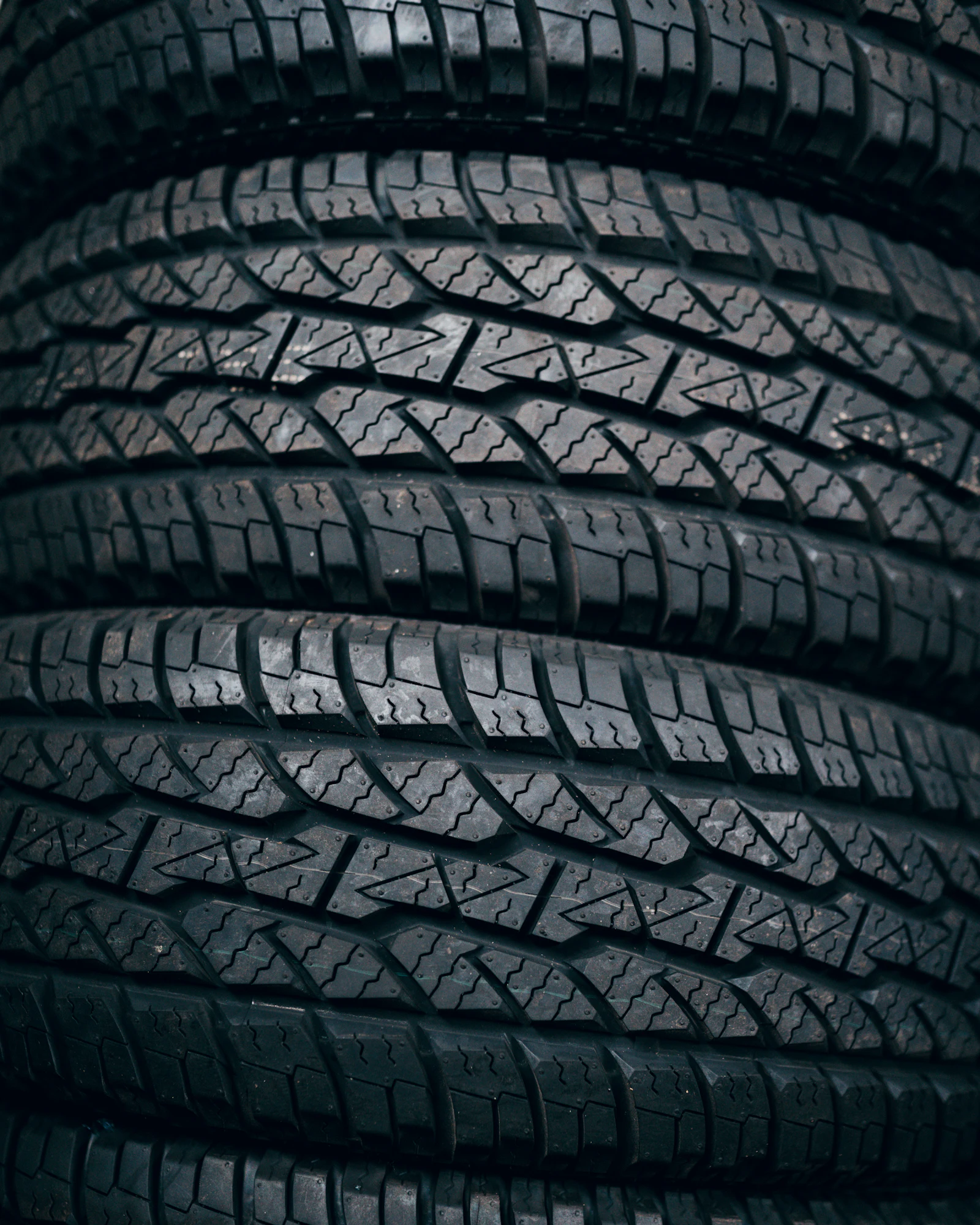
Program tires with the sidewall data and compliance documents your listings and customers need.
For distributors
Fleets
Tires matched to wheel position and duty cycle, for fleets that plan replacements by tread depth and mileage.
For fleets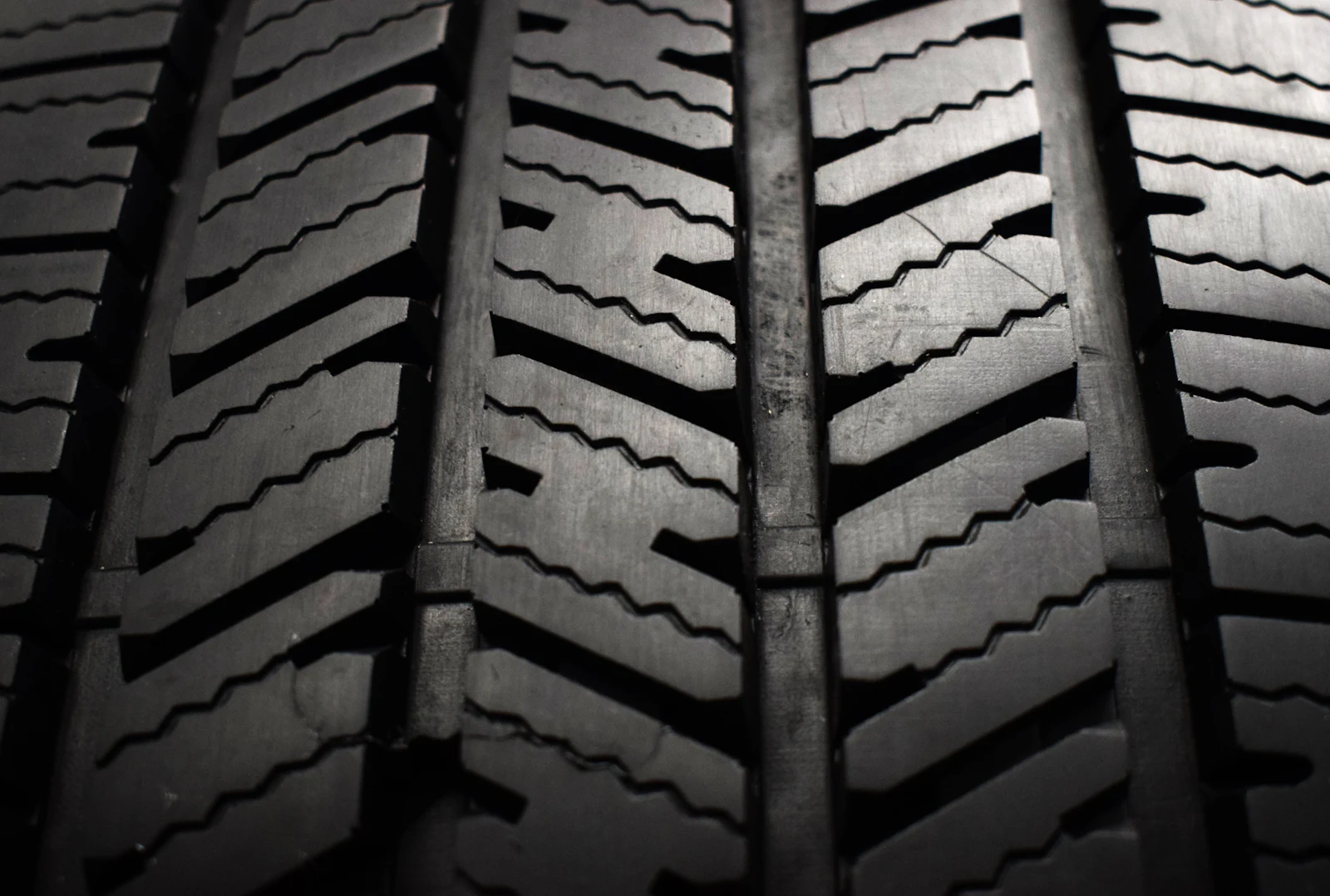
OEM and private brand
Tires built to your specification and, for private brand programs, sold under your name.
For brandsStart a conversation
Send usthe sizes.
Tell us the sizes, load and speed ratings, quantities, and the market you sell into. We reply by email.
contact@globalrubberindustries.com