contact@globalrubberindustries.com

Tire programs

Fourprograms

Passenger and touring, light truck and SUV, commercial truck, and off-highway and industrial. For each one: where the tires are used, the tread types, how they are built, and what to send us for a quote.

Stacked passenger tires in low light, tread facing out
Fig. 01Passenger tires, tread facing out

Passenger and touring

Radial tires for sedans, coupes, minivans, and crossovers, for daily driving and highway touring.
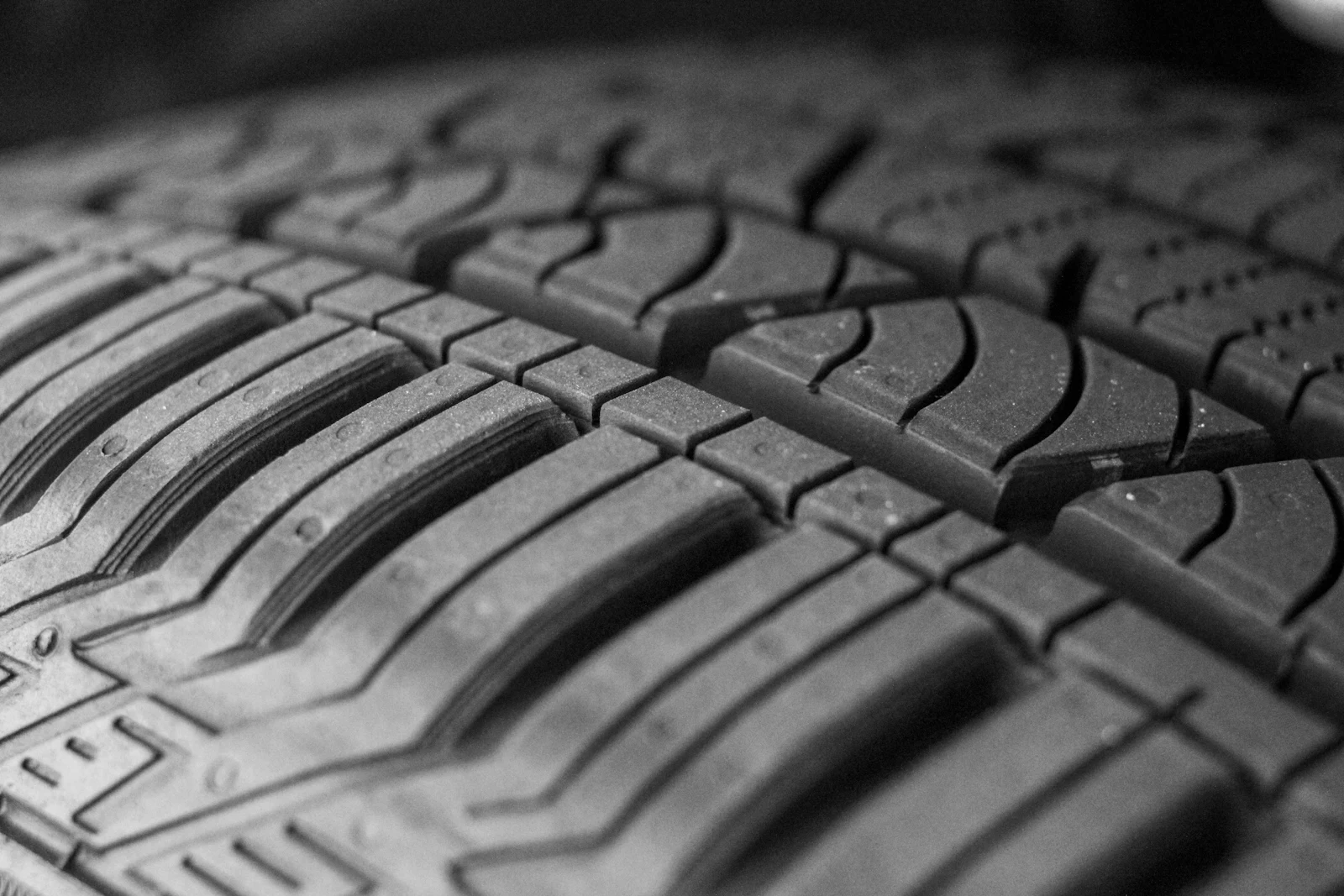
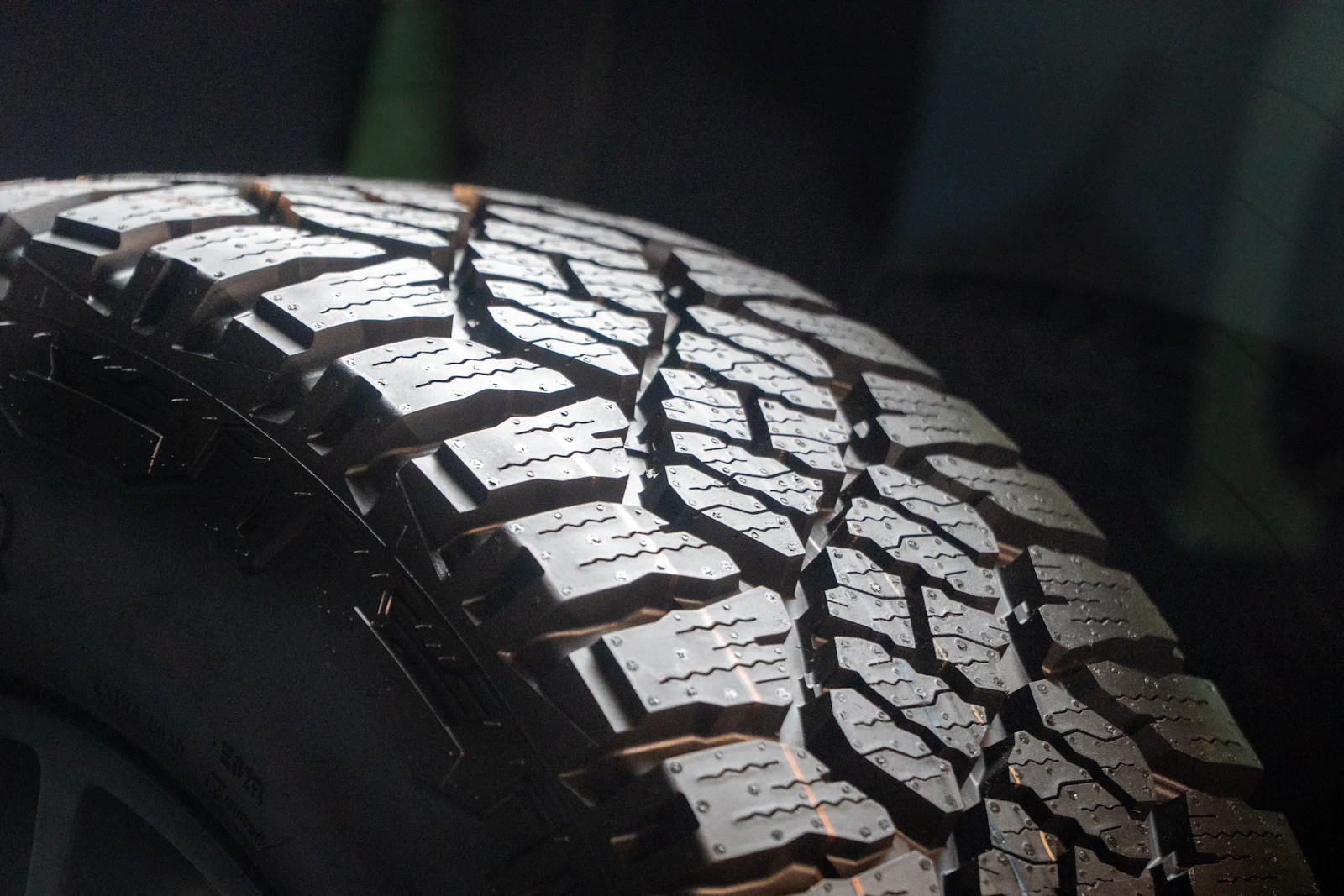
Black-and-white close-up of a passenger tire tread with ribs, blocks, and sipes
Fig. 02Passenger tread: ribs, blocks, and sipes

Applications

  • Sedans, coupes, and hatchbacks
  • Minivans and crossovers
  • Commuting and highway touring
  • All-season driving

Tread patterns

ASymmetric

The inner and outer halves of the tread mirror each other. The tire can be mounted either way round and rotated in any pattern.

BAsymmetric

The two halves are designed differently, typically the outer half for cornering grip and the inner half for clearing water. The sidewall marks which side faces out.

CDirectional

V-shaped grooves built to roll one way, shown by an arrow on the sidewall. Rotate front to back on the same side only.

Construction notes

Radial construction: a polyester, rayon, or nylon body ply running from bead to bead, two steel belts at opposing angles under the tread, and on many higher speed-rated tires a nylon cap ply over the belts.

Sizes are P-metric or Euro-metric, and the sidewall carries the load index and speed symbol. New radial tires for light vehicles must meet FMVSS No. 139, and passenger car tires carry UTQG grades, with a few exemptions such as deep-tread winter tires and temporary spares.

What to include in a quote request

  • Full size designations, such as 225/45R17 94V, and quantities per size
  • Load index and speed symbol, or the vehicles the tires are for
  • Tread pattern and season category
  • Any UTQG or performance targets
  • Your market and the standards the tires must meet
  • Branding: our program or your private brand
  • Delivery location and timing

Light truck and SUV

LT-metric and flotation tires for pickups, vans, and SUVs that carry weight, tow trailers, or run on unpaved roads.

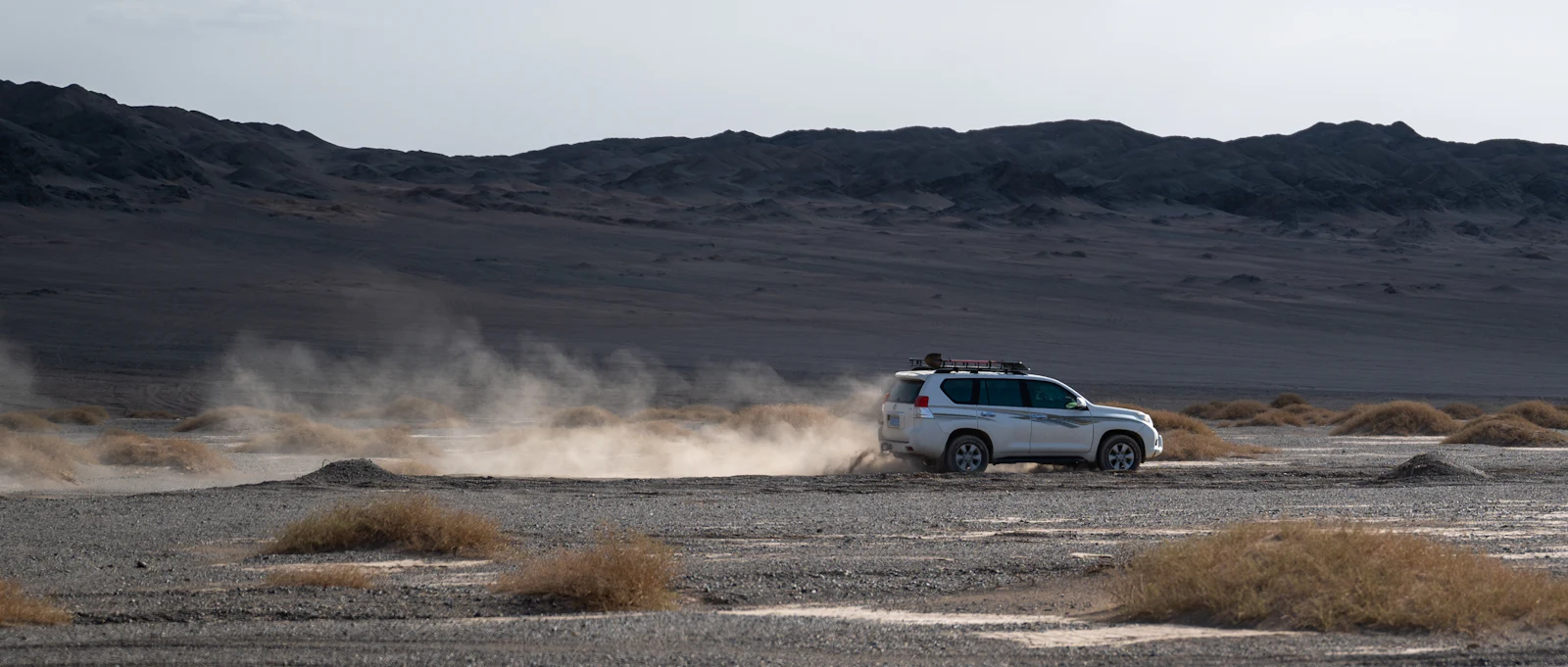
SUV raising a trail of dust as it crosses a desert flat
Fig. 03An SUV crossing a desert flat

Applications

  • Half-ton to heavy-duty pickups
  • Full-size SUVs and vans
  • Towing and payload work
  • Gravel, dirt, and mud

Tread categories

H/THighway

Built for pavement, with a focus on comfort, low noise, and long tread life.

A/TAll-terrain

Deeper tread, wider grooves, and larger tread blocks than a highway tire, for drivers who split their time between pavement and loose surfaces.

M/TMud-terrain

Large lugs and open voids that dig into mud and loose ground, for heavy off-road use.

Construction notes

LT-metric sizes carry an LT prefix, as in LT265/70R17. Flotation sizes give the overall diameter and section width in inches, as in 35X12.50R17LT.

Load range letters describe strength: C is equivalent to a 6-ply rating, D to 8, E to 10, and F to 12. It is a strength rating, not a count of plies. Many LT tires show two load indexes, one for single and one for dual mounting.

When a passenger car tire is fitted to a truck, SUV, van, or trailer, U.S. rules (FMVSS No. 120) reduce its load rating by dividing it by 1.10.

What to include in a quote request

  • Sizes, LT-metric or flotation, and quantities per size
  • Load range and load index, single and dual
  • Tread category: H/T, A/T, or M/T
  • Vehicles, typical loads, and towing
  • How much of the driving is off pavement
  • Your market, branding, and delivery timing

Commercial truck

Radial truck tires for steer, drive, and trailer positions, for regional and long-haul freight, vocational trucks, and delivery.

Semi-trailer truck on an open highway at dusk
Fig. 04A semi-trailer on the highway at dusk

Applications

  • Long-haul and regional freight
  • Vocational and construction trucks
  • Pickup and delivery routes
  • Mixed on- and off-road service

Wheel positions

01Steer

The front axle. Typically a ribbed tread, designed around precise steering and even wear.

02Drive

The powered axles. Typically a lug or block tread, often siped, for traction.

03Trailer

Free-rolling axles. Usually a rib tread, with reinforced sidewalls.

04All-position

Designed mainly around the needs of the steer axle, but usable on drive and trailer axles too.

Construction notes

Truck tires typically use steel cord in the body ply as well as in the belts. Common sizes include 11R22.5 and 295/75R22.5, with two load indexes for single and dual mounting.

Truck tire casings are commonly retreaded, often more than once, so casing durability matters to fleets. Global Rubber Industries builds new tires; we do not retread.

New truck tires fall under FMVSS No. 119. In service, federal rules require at least 4/32 inch of tread on the front tires of a truck or bus and 2/32 inch on the others (49 CFR 393.75).

What to include in a quote request

  • Sizes and quantities for each wheel position
  • Load indexes or load range
  • Application: long-haul, regional, urban, or on- and off-road
  • Annual volume per size
  • Retread plans and casing requirements
  • Your market, branding, and delivery timing

Off-highway and industrial

Tires for farm tractors and implements, construction machines such as loaders and graders, and material-handling equipment.

Tractor working a freshly plowed field at sunset
Fig. 05A tractor working a plowed field

Applications

  • Tractors, combines, and implements
  • Loaders, graders, and earthmovers
  • Backhoes and equipment on hard surfaces
  • Material handling and yard equipment
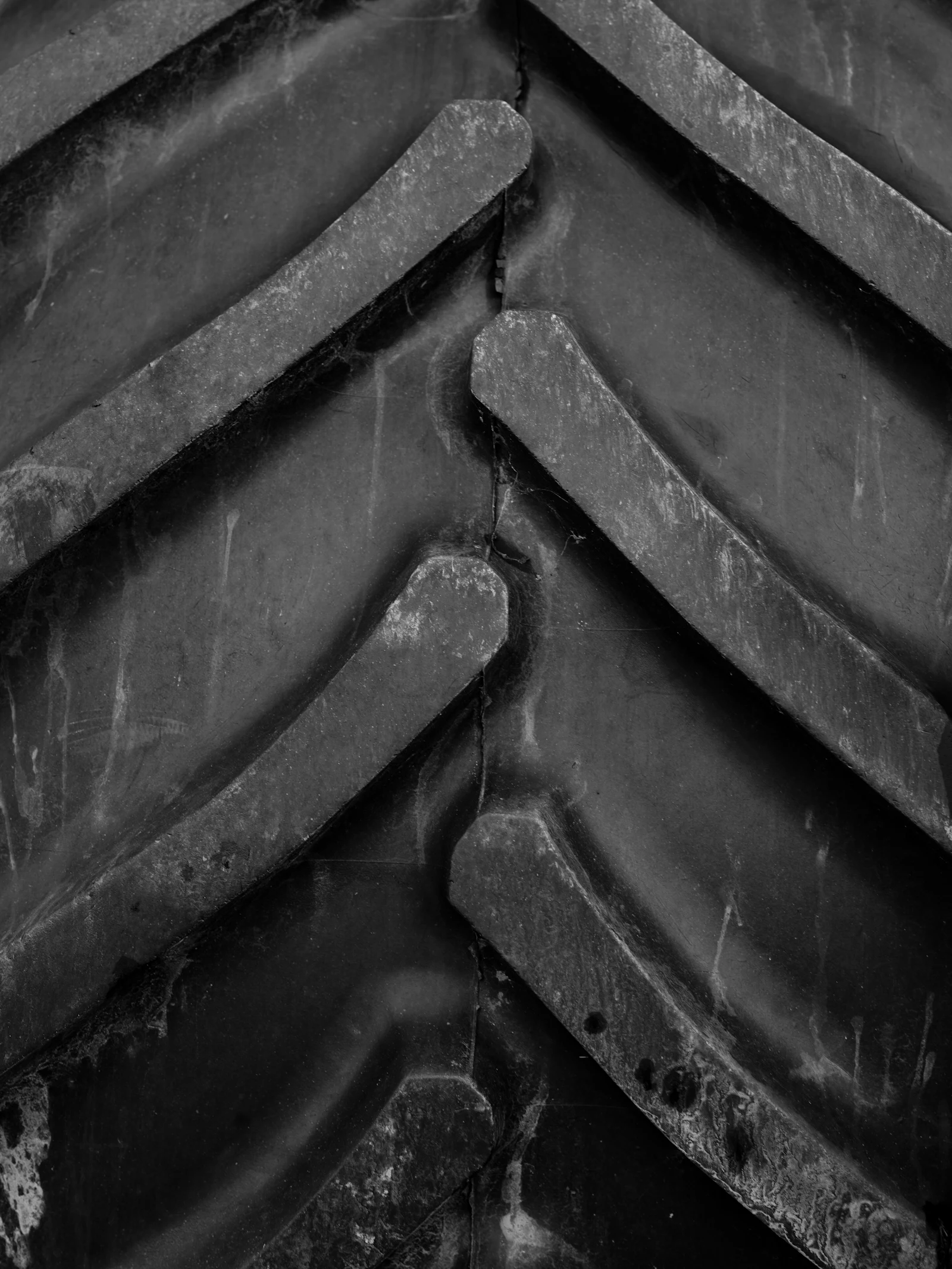
Black-and-white close-up of the angled lugs on a tractor tire
Fig. 06Bar lugs on a tractor tire

Tread codes

Off-highway treads are named with Tire and Rim Association codes, as listed in manufacturers' data books.

CodeMeaning
R-1Regular bar-lug drive tread for farm tractors
R-1WThe same pattern with a deeper tread, for wet soils
R-2Very deep tread for rice and cane fields
R-3Shallow tread for turf
R-4Industrial tread for backhoes and hard surfaces
F-1, F-2Single-rib and three-rib front tires
E, G, L, COff-the-road series: earthmover, grader, loader and dozer, and compactor
-2 to -5In the off-the-road series: 2 traction, 3 rock, 4 rock deep, and 5 rock extra deep (L-5). An S suffix means smooth.

Construction notes

Both bias and radial construction are used off-highway, and bias tires are still common on farm implements and trailers.

In a bias tire, sidewall flexing is passed to the tread. In a radial, the sidewall and tread work independently.

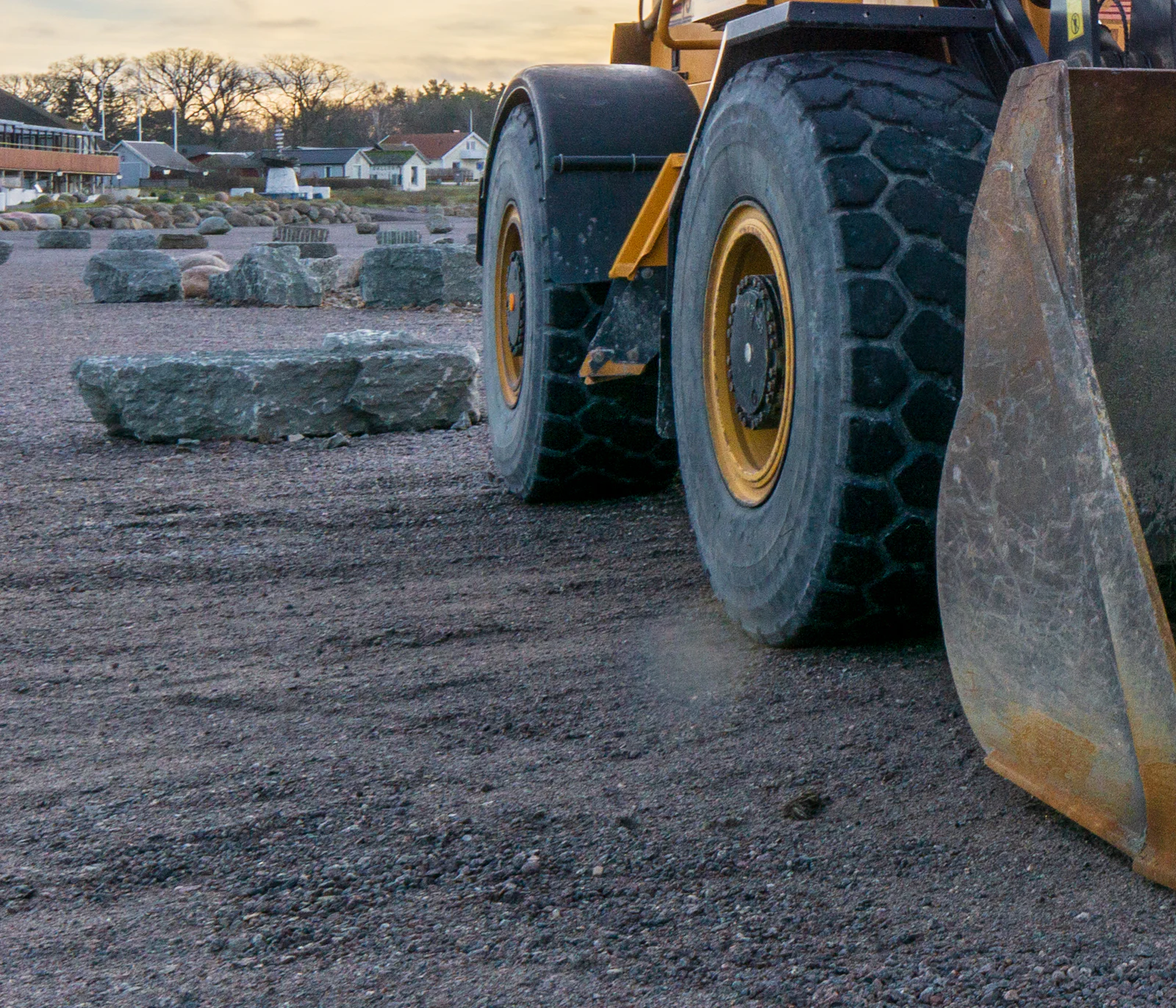
Wheel loader tires and bucket on a gravel yard at dusk
Fig. 07Wheel loader tires on a gravel yard

What to include in a quote request

  • Machine type and working conditions: soil, rock, or hard surface, travel speed and distances
  • Size and tread code, such as R-1W or L-3
  • Bias or radial, and the ply rating or load index
  • Whether the machine travels on public roads
  • Quantities, branding, and delivery timing

Request a quote

Sizes, ratings,volumes.

Send those three, plus your market and timing, and we will come back by email with questions or a quotation.

contact@globalrubberindustries.com